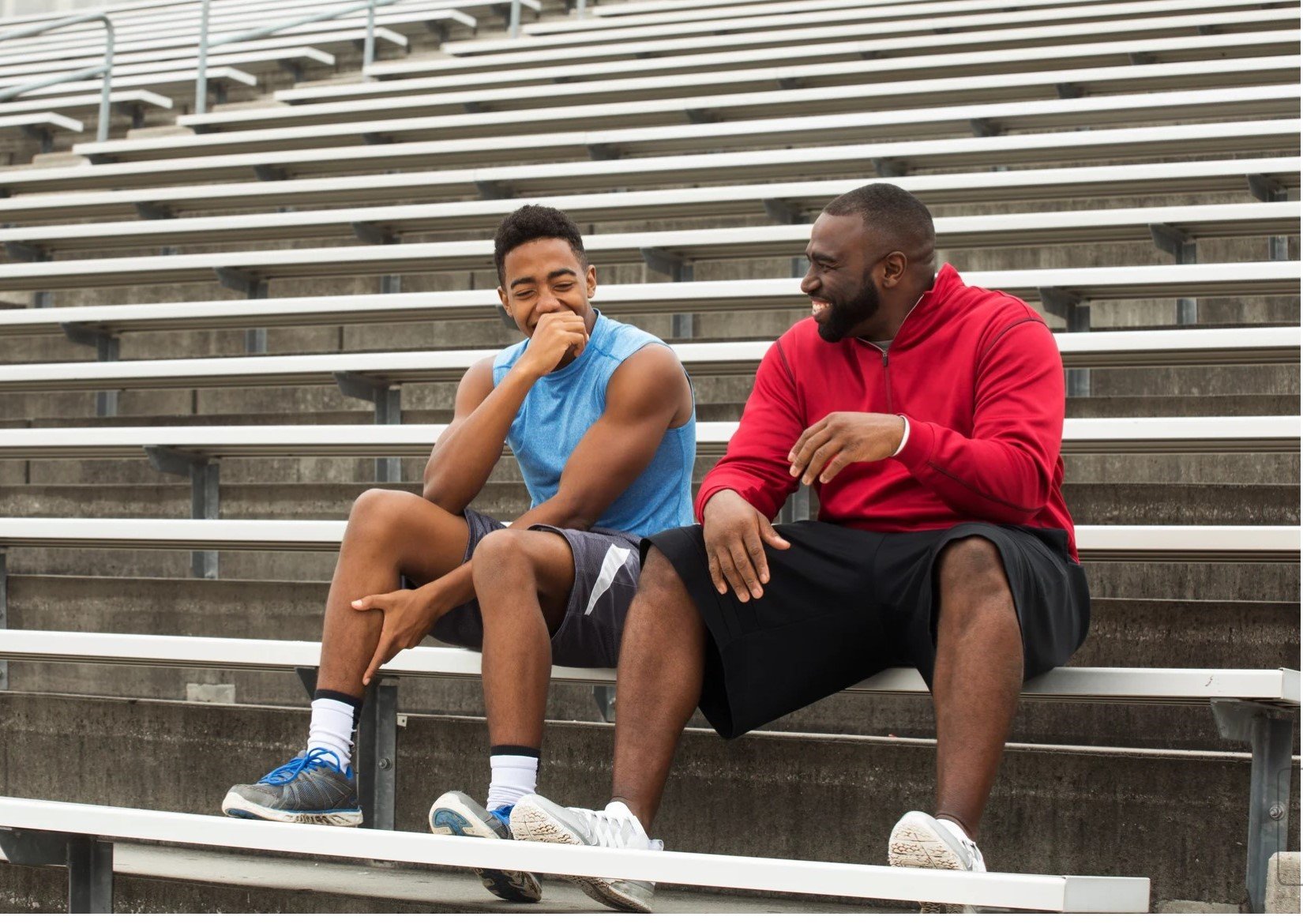
Helping Athletes Build Confidence and Bounce Back Stronger
Pressure, expectations, and self-doubt can steal the joy from sports and hurt performance. Through team, one-on-one, and group coaching, we equip athletes with practical mental tools to respond to setbacks, compete with freedom, and enjoy the game again.
You Can See It. You Can Feel It. Something's Off.
When performance starts to define who an athlete is, pressure multiplies. Mistakes feel heavier. Tightness replaces trust. And slowly, confidence and joy begin to fade.
The Practice-to-Game Gap
They look confident and capable in practice — but when the pressure rises, everything tightens. The skills are there. The consistency isn’t.

The Emotional Snowball
One mistake turns into two. Frustration builds. Focus begins to fade. Before long, the entire performance feels out of control.
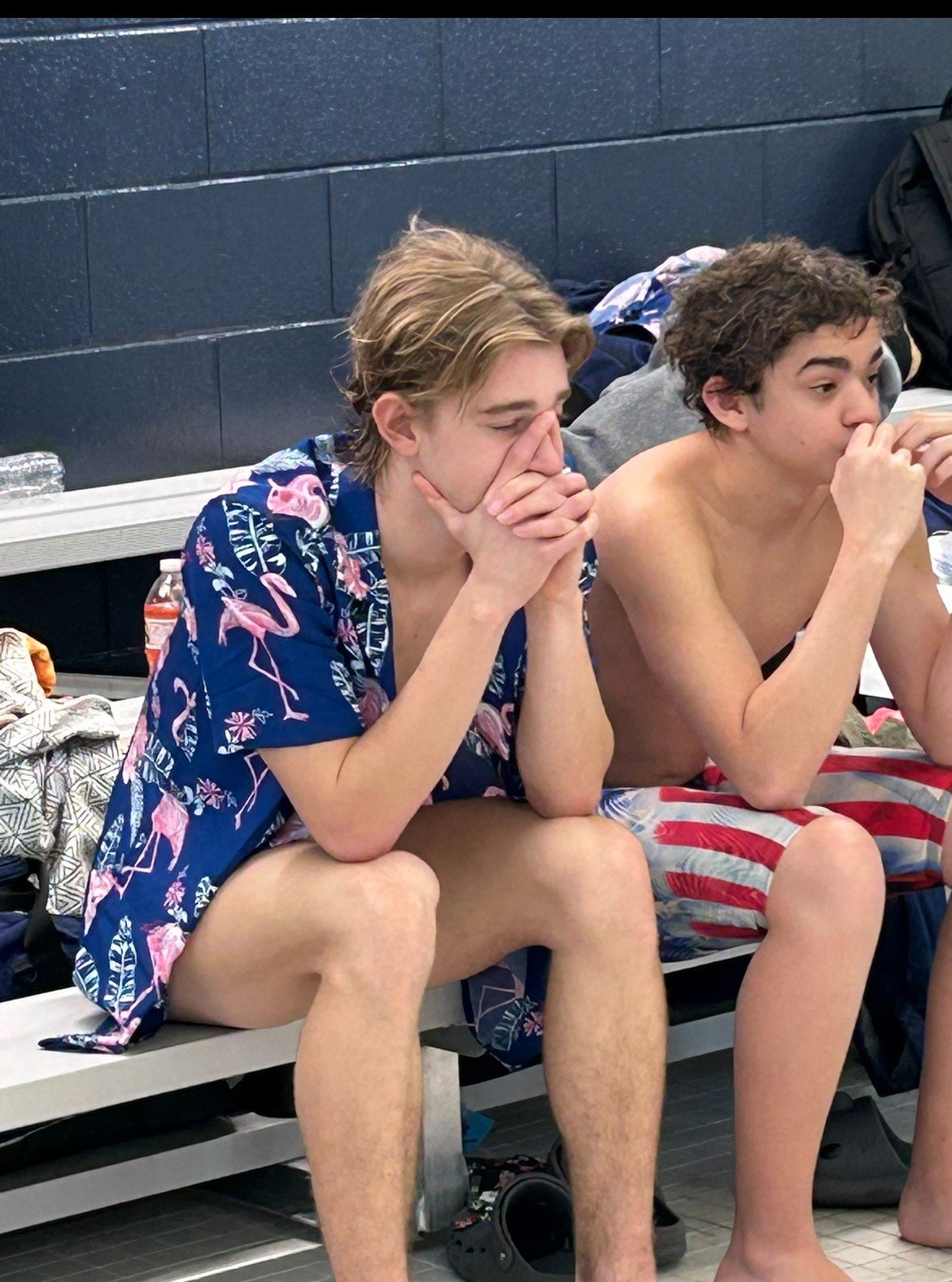
The Post-Game Shutdown
After competition, they go quiet. Conversations get short. Wins don’t feel satisfying. Losses feel personal.
The Fade of the Spark
The joy that once fueled them starts to dim. What used to feel like freedom begins to feel like pressure.
Why the Mental Game Matters
For many athletes, the pressure doesn’t come from the game itself — it comes from what the game means.
When athletes begin tying who they are to how they perform, mistakes feel heavier. Expectations grow louder. Confidence and joy start to slip.
Left unaddressed, those patterns don’t just affect performance. They shape motivation, relationships with teammates and coaches, and even what happens at home after competition.
The good news?
Mental skills can be trained, just like physical ones.
When athletes learn how to separate their identity from their performance, they compete with more freedom, bounce back faster from setbacks, and rediscover the joy that brought them to the game in the first place.
And coaches and parents don’t have to guess their way through it. With the right tools and language, you can create an environment where athletes grow stronger — mentally, emotionally, and competitively — all season long.
That's why we created free resources to support you.
Start With Practical Tools You Can Use Now
Whether you’re leading a team or supporting your athlete at home, these free guides will help you create the kind of environment where athletes build confidence, respond to setbacks, and compete with greater freedom.
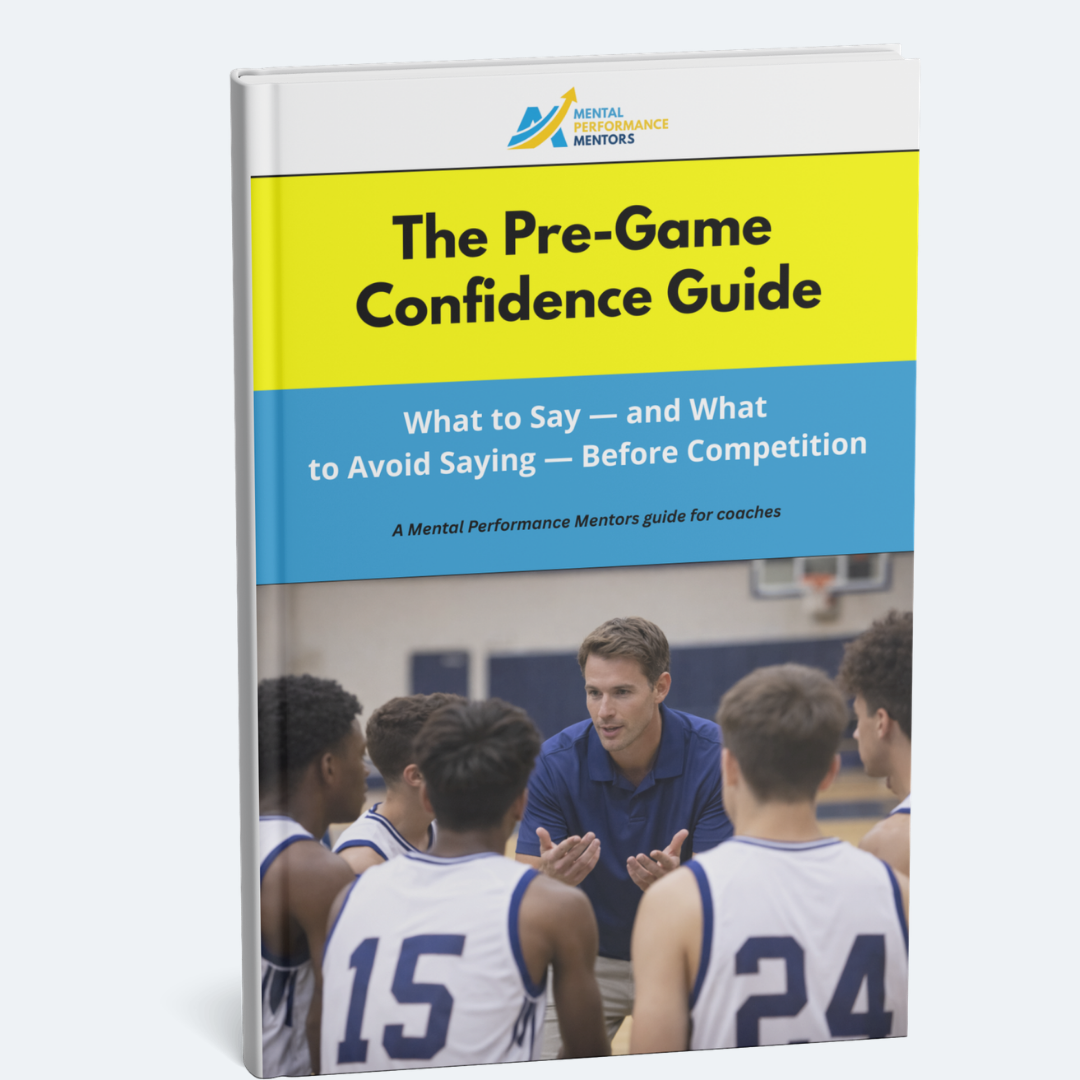
Coach's Guide: Build Confident, Resilient Teams
Discover simple mental performance tools you can implement immediately to help your athletes reset after mistakes, stay composed under pressure, and compete with consistency.

Parent’s Guide: The Car Ride Conversation
Learn how to turn post-game conversations into powerful confidence-building moments so your athlete feels supported, understood, and free to grow from every performance.
You Don’t Have to Navigate This Alone
We walk alongside coaches and parents to bring clarity, steady leadership, and practical tools to the mental side of the game.
Most athletes don’t struggle because they lack effort or ability.
They struggle because pressure gets loud — and no one ever taught them how to train the mental side of the game.
We’re here to help.
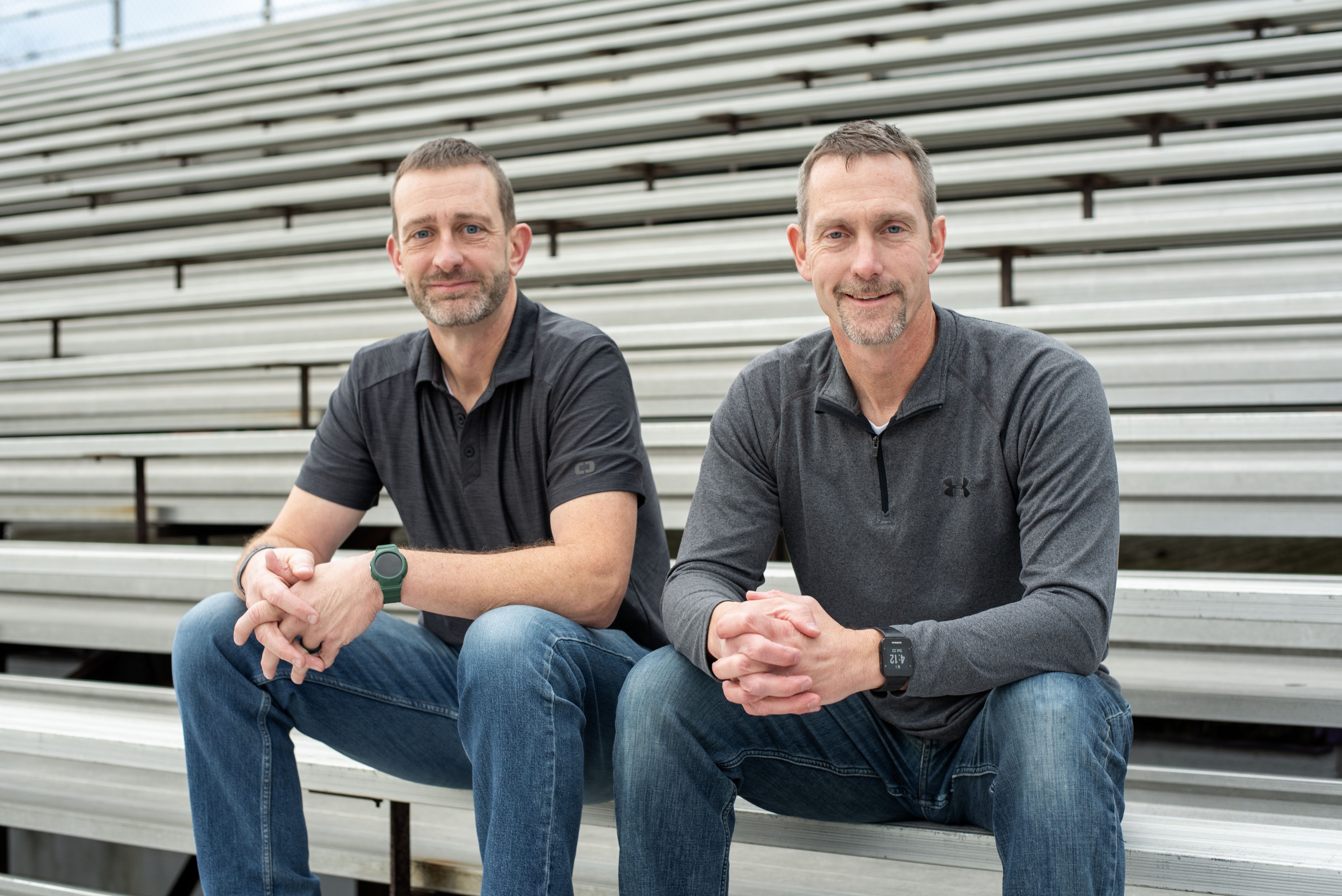
We’re Jason and Shane — brothers and certified mental performance coaches. We work with athletes, families, and teams during some of the most challenging seasons of sports.
We’ve stood on those sidelines.
We’ve sat through the quiet car rides home.
We’ve seen how quickly performance can start to feel personal.
Our role isn’t to “fix” athletes or push them harder. It’s to provide clarity, practical tools, and a steady voice — so athletes can separate who they are from how they perform.
When that mental weight begins to lift:
Athletes compete freer.
Coaches lead with more clarity.
Parents feel more confident in how they support.
And the game becomes something athletes get to play — not something they have to prove themselves through.
What Working Together Looks Like
Three simple steps to help athletes build confidence and compete with freedom.
Start the Conversation
Begin with a free call. We’ll talk through the challenges you’re seeing — whether it’s one athlete or an entire team — and clarify what support makes the most sense right now.
Build a Mental Toolkit
Every athlete — and every team — is different. Together, we create simple, practical mental tools tailored to the pressure they’re facing so they can stay calm, focused, and confident when it matters most.
Athletes Compete Freely
When the mental weight lifts, athletes perform with a clear head and steady confidence — free to compete without tying their identity to the outcome.
The PROCESS: A Clear Framework for Building Confident, Resilient Athletes
A structured, practical system that helps athletes handle pressure, respond to setbacks and separate who they are from how they perform
Every athlete is different—different personalities, different pressures, different seasons.
That’s why we don’t believe in quick fixes or one-size-fits-all mindset advice.
The PROCESS is our structured-yet-flexible framework for building the mental skills that matter most — including confidence, resilience, focus, self-awareness, and consistent routines. These are skills they can rely on not just in competition, but also in school, relationships, and life beyond sport.
Instead of letting outcomes define identity or being consumed with perfection, athletes learn who to separate who they are from how they perform.
They learn to focus on what they can control.
They learn how to respond to adversity.
They learn how to compete without carrying the weight of expectations.
This isn’t about changing athletes.
It’s about removing what gets in the way — so their effort, ability, and love for the game can show up consistently.
Coaching Options for Teams and Athletes
Whether you’re leading a program or supporting an individual athlete, we provide structured mental performance coaching that fits your needs.
Team Coaching
We partner with coaches to install The PROCESS into the culture of their team — building shared language, routines, and mental skills that last all season.
Sessions are tailored to your team’s needs and focus on confidence, communication, resilience, and consistent response under pressure.
Best for: Teams ready to strengthen culture, leadership, and competitive consistency.
One-on-One Coaching
Individual coaching provides athletes with personalized support and practical mental tools tailored to their unique pressures and goals.
Together, we build clarity, confidence, and routines they can rely on when the stakes rise.
Best for: Athletes who benefit from focused, individualized attention.
Small Groups (Cohorts)
Athletes meet in small, guided virtual groups to learn and apply the core principles of The PROCESS alongside peers facing similar pressures.
These sessions build accountability, structure, and connection — helping athletes grow confidence and resilience together.
Best for: Athletes who thrive with structure, community, and shared growth.
Trusted by Coaches. Valued by Families. Proven with Athletes
Coaches see firsthand how structured mental training helps athletes handle pressure, grow through adversity, and compete with freedom and confidence.



Answers to Common Questions About Mental Performance
Mental performance coaching helps athletes develop the mental skills needed to perform at their best — especially under pressure. Just like physical skills, mental skills such as confidence, focus, emotional control, and resilience can be trained. We teach athletes practical tools they can use in practices, competition, and everyday challenges so they can respond to adversity, separate who they are from how they perform, and compete with greater freedom and consistency.
Mental performance coaching focuses on skill development, not clinical treatment. We help athletes strengthen confidence, focus, routines, and response under pressure. While therapy often addresses deeper emotional or mental health concerns, our work centers on performance, identity, and resilience within sport. If an athlete ever needs clinical support, we encourage families to pursue that alongside performance coaching.
Not at all. Many of the athletes and teams we work with are already high-performing and highly motivated. Mental performance coaching isn’t about “fixing” athletes — it’s about strengthening the skills that help them handle pressure, bounce back from setbacks, and compete consistently without tying their identity to the outcome.
Yes. We partner with coaches to install The PROCESS into team culture through structured sessions and shared language that support performance throughout the season. We tailor each program to fit the needs and goals of the team. We also work with individual athletes and small groups to build personalized or cohort-based mental toolkits. Every format is structured, practical, and built to grow with the athlete or program.
All athletes are different, but many coaches and parents notice shifts quickly — especially in how athletes respond to mistakes and pressure. But like physical training, mental skills compound over time. The greatest impact comes from consistent reinforcement and application throughout a season. We focus on building tools that last, not quick motivational boosts.
The first step is a simple conversation. For parents, this is a free clarity call where we learn about your athlete and determine the best next steps. For coaches, we discuss your team’s needs and how mental performance training can support your athletes and culture. From there, we recommend the best path forward based on your goals.
Ready to Strengthen the Mental Game?
Let's talk. We’ll listen, ask questions, and walk through what you’re noticing with your team or athlete so you can decide whether mental performance coaching makes sense right now. No pressure. No obligations.
Prefer to start with a resource?
Explore Our Free Guides: