About Mental Performance Mentors
Our Story
Mental Performance Mentors was built on a simple belief: the mental game deserves the same care and training as the physical one.
Too often, athletes don’t struggle because they lack talent or effort. They struggle because pressure builds, confidence wavers, mistakes linger, and no one has ever taught them how to train their mindset. Instead, they’re told to “be tougher,” “shake it off,” or “just focus.”
We’ve seen the cost of that approach — athletes playing tight, losing joy, and quietly carrying pressure they don’t know how to manage.
Mental Performance Mentors exists to change that.
Our role isn’t to fix athletes or motivate them with hype.
It’s to guide them as they learn practical mental skills that help them respond to adversity, trust themselves, and compete with confidence and joy — even when things are hard.
Our Approach
We believe mental performance training should be simple, practical, and intentional.
Just like physical skills, mental skills can be trained — but only when athletes understand what to focus on and how to apply it in real moments of competition.
Our approach emphasizes:
* process over outcomes
* response over reaction
* growth over perfection
We work with athletes to build routines, awareness, and mental habits they can rely on under pressure. Nothing we teach is complicated or gimmicky. Everything is designed to be repeatable, age-appropriate, and transferable across sports — and into life.
Above all, we approach this work with humility and care. We meet athletes where they are, respect their journey, and focus on developing the person, not just the performer.
That philosophy shapes everything we do — and it’s what guides our work with every athlete and family we serve.
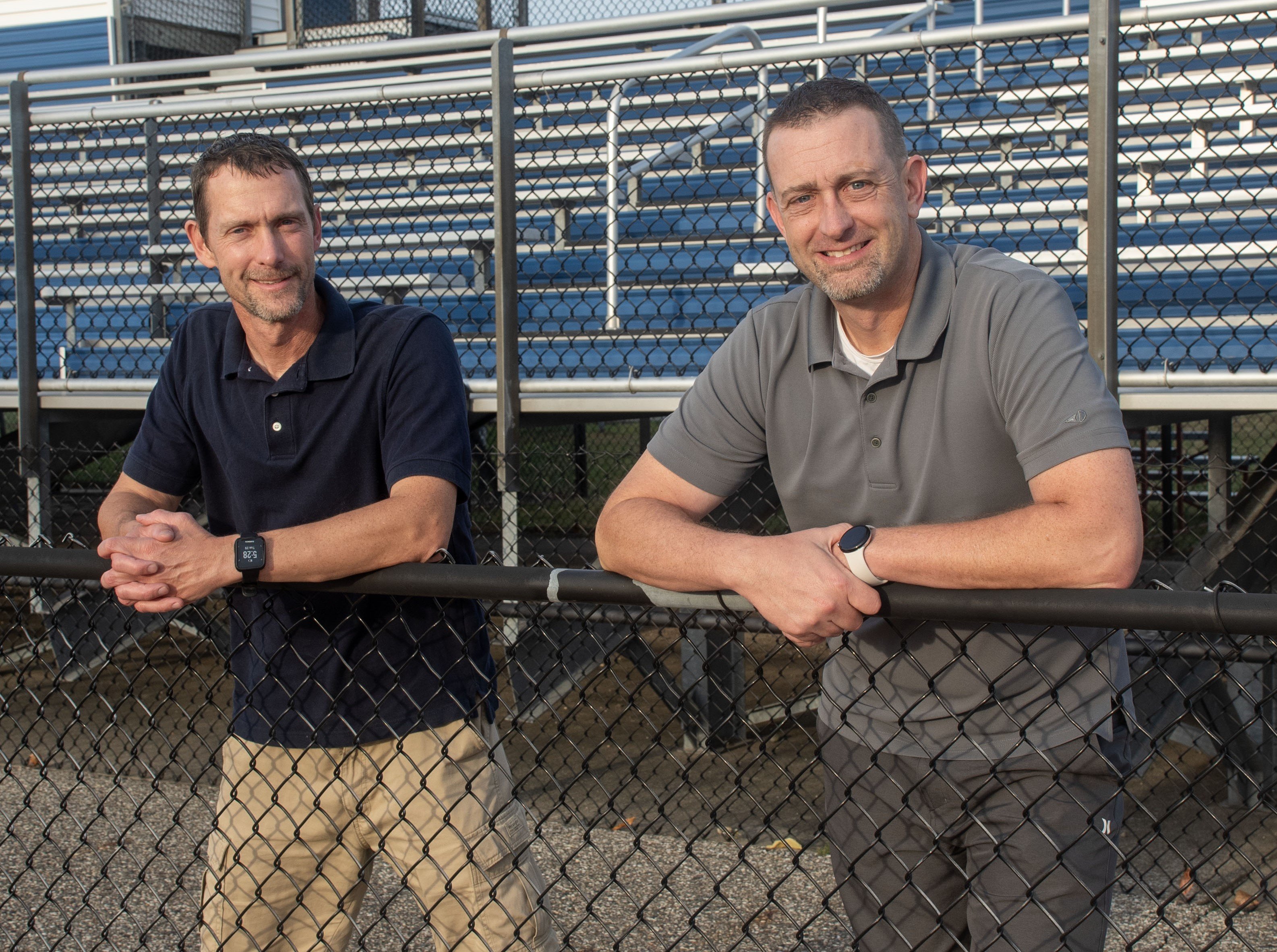
Meet Jason
Jason Wesseldyk’s passion for the mental side of sport began long before mental performance coaching was widely discussed or accepted.
As a high school baseball catcher, Jason experienced the yips. For him, it showed up in one of the most routine moments in the game — throwing the ball back to the pitcher.
Physically, there was no issue. But mentally, something locked up. Overthinking crept in, tension followed, and confidence eroded.
At the time — the mid-1990s — there was little conversation around sports psychology, and even less support. Athletes didn’t talk openly about mental struggles, and asking for help was often viewed as a weakness. Jason didn’t have language for what he was experiencing, but he was determined to understand it.
That search led him to The Mental Game of Baseball by Harvey Dorfman — his first exposure to the idea that performance struggles aren’t always physical, and that the mind can either unlock or sabotage everything an athlete has worked for.
That moment planted a seed that continued to grow.
Jason went on to earn a degree in psychology, but at the time, mental
performance coaching was not a clearly defined or widely accepted career path. Instead, his professional journey led him into sports journalism, where he spent years as a sports writer and sports editor covering high school athletics.
That role became a powerful classroom.
From a neutral, observational perspective, Jason watched hundreds of athletes across sports, schools, and seasons. He saw athletes with similar talent and work ethic experience very different outcomes.
Again and again, the difference wasn’t physical ability. It was confidence under pressure, response to mistakes, self-talk, and emotional control.
Later, as a parent of competitive athletes, those lessons became personal.
Jason saw how quickly joy could turn into pressure, how well-intended feedback could be misinterpreted, and how deeply the mental game shapes an athlete’s experience.
Jason pursued formal training and became a Certified Mental Performance Coach, combining his background in psychology, his lived experience as an athlete, years of observation as a sports editor, and his perspective as a parent.
Today, Jason coaches athletes with empathy, clarity, and intention. His focus is not on fixing athletes, but on guiding them as they learn practical mental tools they can trust — tools that help them compete with confidence, respond to adversity, and rediscover joy in their sport.

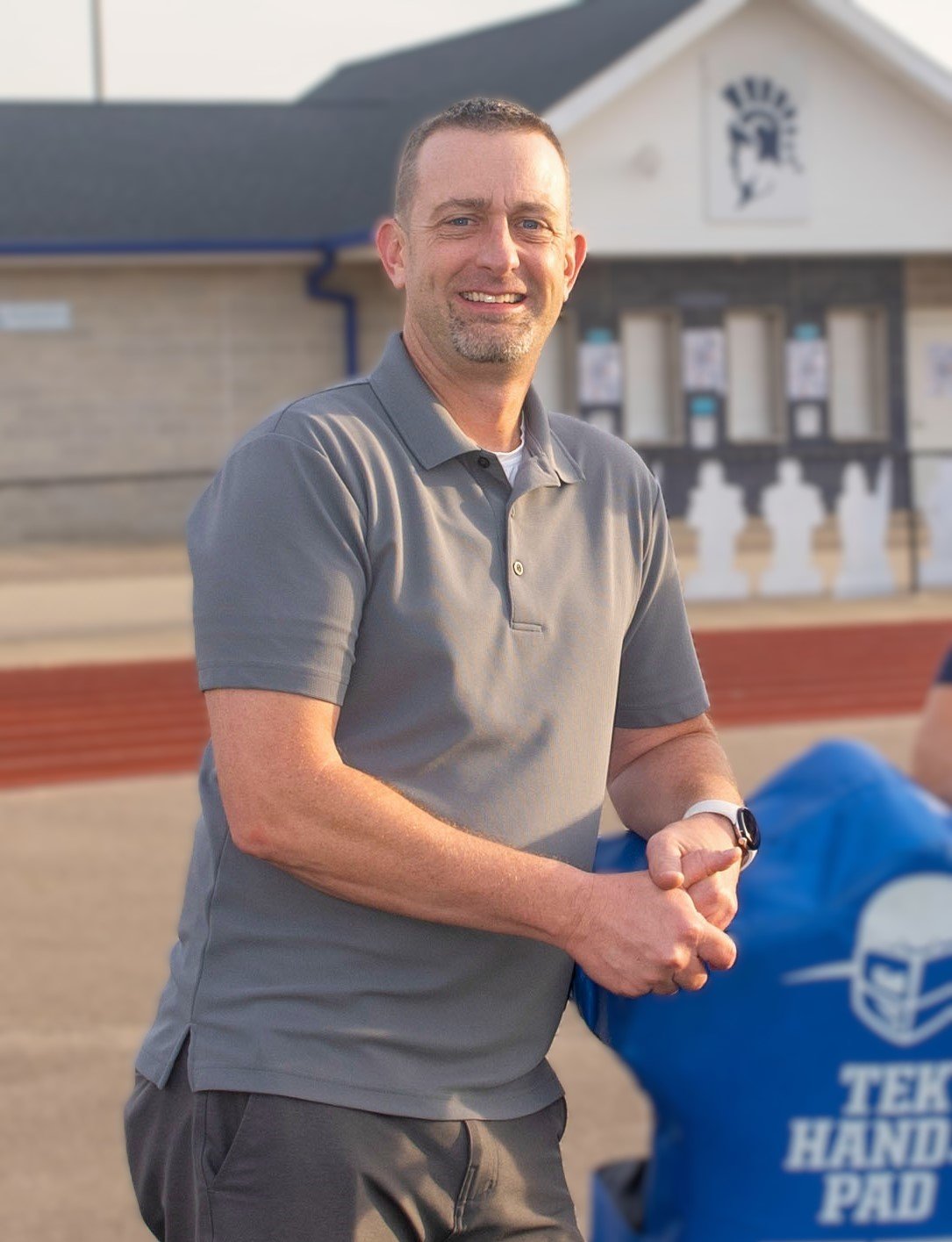
Meet Shane
Shane Wesseldyk’s approach to mental performance coaching is rooted in years of working closely with young people—both in and out of competition.
For nearly two decades, Shane has served as a middle school teacher, giving him a deep understanding of how students learn, grow, and respond to pressure.
He currently works as a middle school athletic director, where he supports athletes, coaches, and families across multiple sports and competitive environments. That role allows him to see the full picture—athletes at different stages of development, coaches with different styles, and families navigating the emotional highs and lows of youth sports.
In addition to his work in education and administration, Shane has coached numerous sports at both the middle school and high school levels.
He understands the expectations athletes feel from coaches, teammates, and themselves—and how easily pressure can build when those expectations aren’t managed well.
One of the most unique parts of Shane’s background is his experience as a certified high school umpire for more than 20 years. Seeing the game from the official’s perspective has given him a rare understanding of competition, emotional control, and adversity. He has witnessed countless high-pressure moments and understands how quickly emotions can influence performance, behavior, and decision-making.
These combined experiences shape Shane’s mental performance coaching. He teaches athletes how to stay composed under pressure, regulate emotions, and take ownership of their response—skills that respect the game, honor teammates and opponents, and translate across sports.
As a Certified Mental Performance Coach, Shane emphasizes simple, repeatable mental routines that athletes can rely on when the moment feels big. He meets athletes where they are, helping them build awareness, confidence, and consistency without overwhelming them.
Above all, Shane believes mental performance training should develop the person, not just the athlete. His goal is to help young athletes compete with confidence, handle adversity with maturity, and carry these skills far beyond sport.
Our Promise To You
When we work with your athlete, you can expect us to:
- Meet them where they are.
We don’t judge, label, or compare. Every athlete’s journey is different, and we coach with patience, respect, and care. - Teach practical mental tools they can actually use.
Nothing we teach is complicated or gimmicky. Our focus is on simple, repeatable skills athletes can rely on when pressure is high. - Emphasize effort, response, and growth over outcomes.
We help athletes focus on what they can control, respond constructively to adversity, and learn from every experience. - Communicate clearly and support families well.
We value trust and transparency, and we work to support both athletes and parents throughout the process. - Care about who your athlete is becoming.
Our goal isn’t just better performance — it’s confidence, maturity, and mental skills that carry far beyond sport.
This work is about more than winning.
It’s about helping athletes grow into confident, resilient people — on the field and in life.